

For most people, ten to fifteen minutes of focused sight reading a day produces a noticeable change within a month and a reliable one within about six. Even five minutes has real value if that’s all you can find. If you’re a complete beginner who has never read notation, give it somewhere between twelve and twenty-four months before it feels fluent. The single biggest variable is the frequency of practice, rather than talent.
I’m a software engineer learning piano on the side, and we built SightReader because I couldn’t find a tool that did what I needed. It’s been a real advantage, because (combined with the guidance of my brilliant teacher Lewis Kesterton) we’ve been able to build a tool I find really useful. What surprised me most was how much changed after a single month of deliberate, near-daily sight-reading practice. Not casual playing through old favourites (always tempting), but sitting down to practise sight reading specifically.
Running through pieces you already know is pleasant and unfortunately, since it’s something I’m very guilty of, it barely moves your reading at all. I’ve written before about why sight reading is so hard and how to actually practise it, so I won’t repeat all of it here. The short version: sight reading is a separate skill from playing, and you only build it by reading unfamiliar music, every day, at a level slightly below your playing level.
Once you accept that, there are two obstacles that often stand in the way of improvement.
The two things that slow everyone down
You run out of fresh material. The value of sight reading comes from playing something you haven’t seen before. Play a new piece once, twice or three times and you’re reading. Play it a sixth time and you’re learning it instead, which is a different exercise with sharply diminishing returns. So daily practice has a hidden requirement: a constant supply of pieces at roughly your level that you haven’t already half-memorised. A single grade book gives you maybe a few weeks of fresh reading before familiarity creeps in.
You can’t always tell when you’re wrong. Unfortunately, the weaker your reading, the harder it is to spot a misread note and self-correct, which is when feedback matters most. A teacher catches it instantly, but lessons are expensive and you still have to put in the solo hours between them. Practising alone, it’s easy to reinforce the same mistake for weeks without ever knowing it’s there. This becomes less significant at higher levels, but it’s a critical disadvantage for beginners.
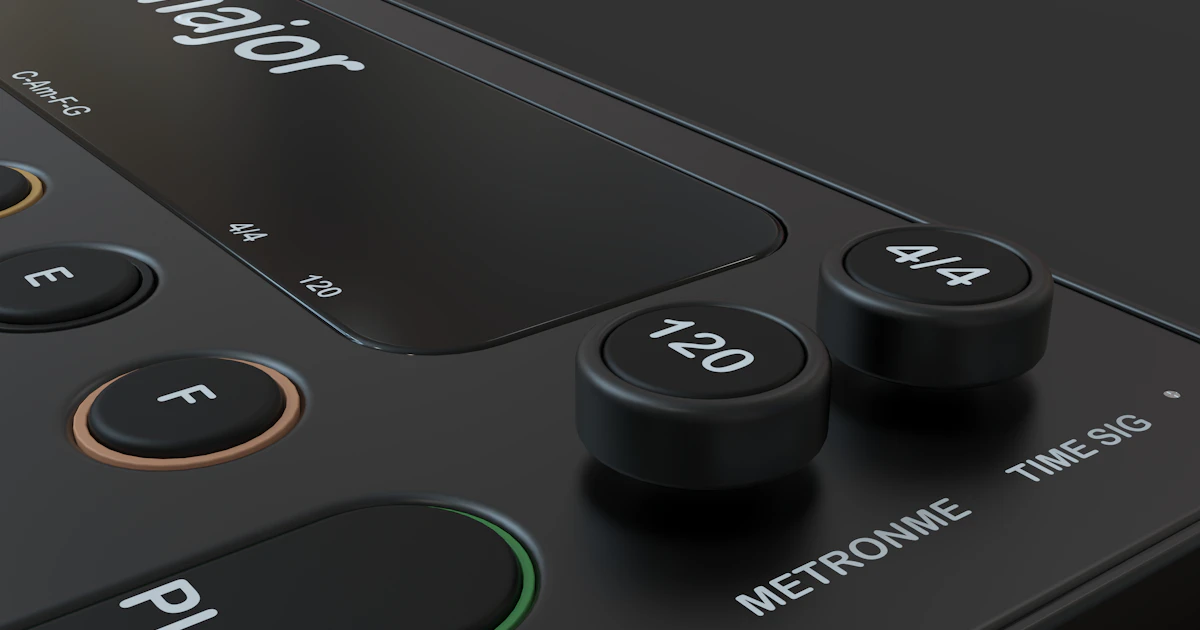
These are the two problems SightReader is built around. The library has over 3,700 pieces, so fresh material at your level stops being the bottleneck, and the daily practice feature curates a short set for you, so you spend your ten minutes playing rather than choosing. For feedback, it watches your MIDI keyboard in real time and colours each note as you play (green or red for the notes themselves, blue or yellow for early or late once the metronome is on), so a misread is obvious the moment it happens instead of weeks later. It isn’t a replacement for a teacher, but it covers the solo hours a teacher can’t.
Rough timelines, by where you’re starting
Treat these as rough averages rather than promises. How fast you move depends mostly on how consistently you show up.
- You already play but freeze at unfamiliar music. Most of your work is unlearning the habit of stopping. Expect a noticeable change in about a month, and comfortable reading a grade or two below your playing level within a year.
- You read a little and want to get fluent. Six months of daily ten-minute sessions will typically move you up one to two ABRSM grades in reading confidence.
- You’ve never read notation at all. Be patient. Teachers broadly agree it takes somewhere between eighteen months and two years of regular practice before sight reading feels fluent. That sounds slow, but it’s a difficult skill and those take time: the reward in the end is worth it!
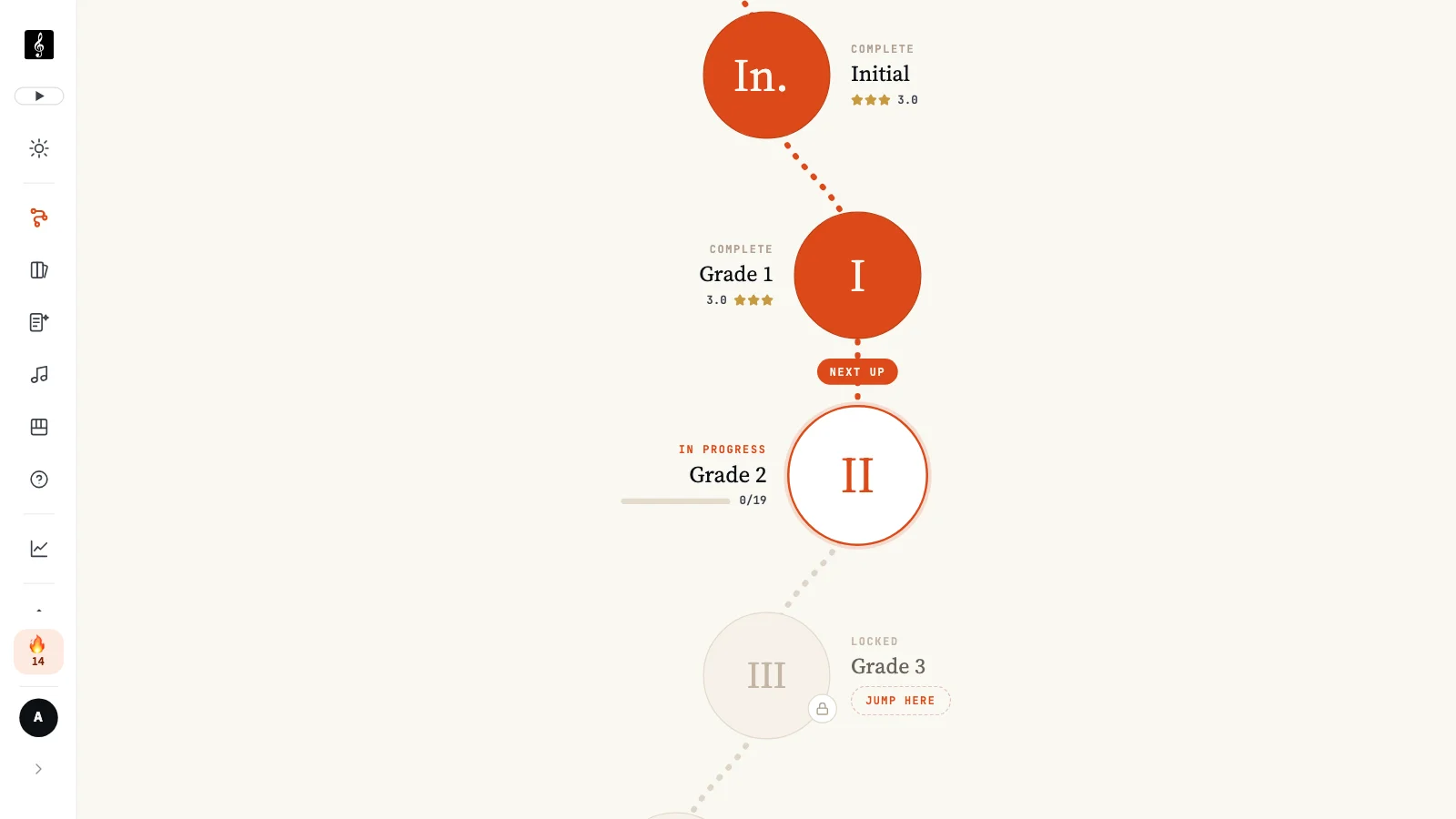
If you want a structured ladder, SightReader’s Lessons teach the ABRSM grades step by step from the very first note through grade 8, exam practice has graded pieces to rehearse at each one, and the grade 1 study guide is a good place to calibrate your level if you’re not sure where to begin.
Why ten minutes daily beats an hour on Sunday
The reason consistency wins is the spacing effect, one of the most replicated findings in learning science: the same total practice time produces far better retention spread across many short sessions than crammed into one long one. The musician and neuroscientist Molly Gebrian has written extensively about how sleep and spacing consolidate motor learning for musicians, and the pattern holds for reading too. A short daily session has a quieter advantage as well: it’s short enough that you’ll actually do it, and showing up is the variable that dominates all the others. That is also why five minutes still counts on the days you can’t find ten.
If you’re preparing for an exam, longer sessions of half an hour make good sense, as long as you break them up so your brain gets time to consolidate between bursts.
So the honest answer to “how long does it take to learn piano sight reading?” depends mostly on how often you sit down. Daily practice gets you there sooner than you might fear, and weekly practice takes far longer. A month of intentional daily reading will surprise you. It surprised me! SightReader exists to make that daily habit easy to keep, and you can read more about how it works if you’re curious.
Got a question or a suggestion? Email us at hello@sightreader.app. We read every message, and your thoughts help us make the tool better for everyone.
FAQ
How long does it take to learn piano sight reading?
For most people, ten to fifteen minutes of focused sight reading a day produces a noticeable change within a month and a reliable one within about six months. A complete beginner who has never read notation should expect twelve to twenty-four months before it feels fluent. The biggest variable is whether you practise daily or weekly, not talent.
Can you improve at sight reading in one month?
Yes, and faster than most people expect. A month of near-daily, deliberate sight-reading practice (reading unfamiliar music, not replaying pieces you know) is usually enough to feel a real difference. I was surprised by how much changed in my own first month. The catch is that it has to be daily and it has to be fresh material.
How long does it take a complete beginner to sight read piano music?
If you have never read notation at all, expect somewhere between eighteen months and two years of regular practice before sight reading feels fluent. That’s slower than improving an existing skill, because you’re building a literacy from scratch, and literacy takes time. Daily short sessions still beat occasional long ones.
Why isn’t my sight reading improving?
The two most common reasons are practising the wrong thing and not noticing your mistakes. If you mostly replay pieces you already know, you’re training memory, not reading. And if you can’t tell when you’ve misread a note, you can reinforce the same error for weeks. Fresh material at your level plus immediate feedback fixes both.
How many minutes a day should I practise sight reading?
Ten to fifteen minutes a day is the sweet spot for most learners, and even five minutes has real value if that’s all you can find. It beats an hour once a week because of the spacing effect: the same total time spread across many short sessions is retained far better than crammed into one. A short session is also short enough that you’ll actually do it. If you’re preparing for an exam, longer sessions help, as long as you take breaks.